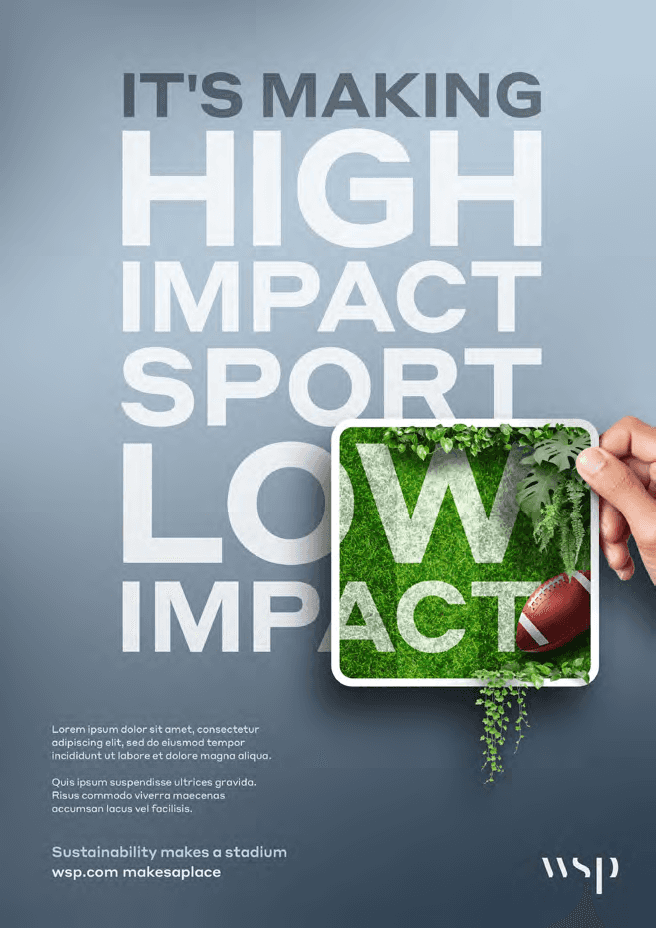
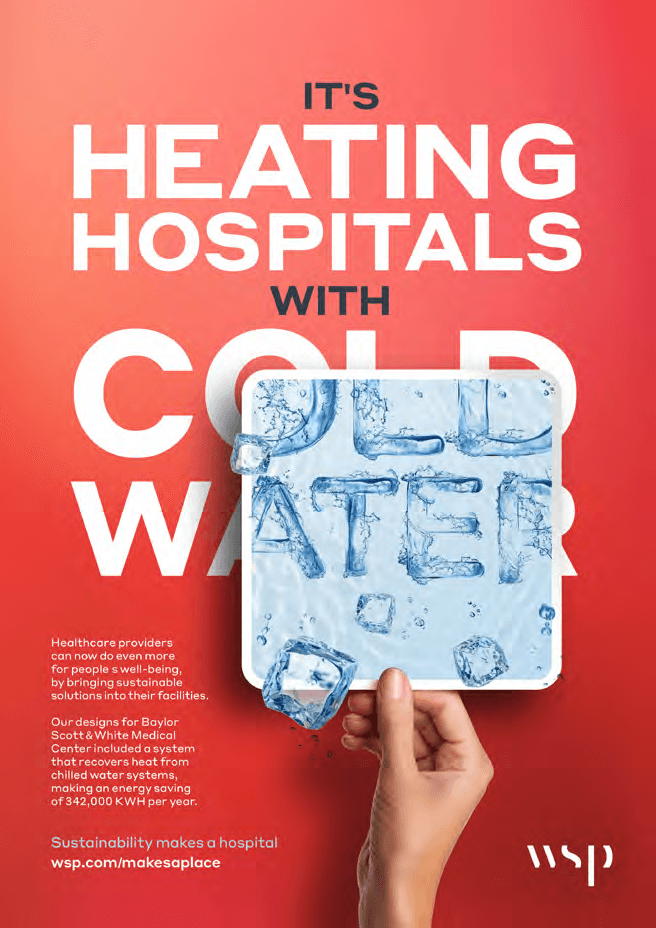
WSP
WSP needed a clearer way to talk about how built environments are changing, and the role they play in shaping more sustainable, future-ready places.
Their work spans sectors, regions, and disciplines. The challenge was making that breadth make sense, without reducing everything to the same message.
As senior copywriter, I led the development of a creative platform and built out a language system that could flex across campaign work and individual project stories.
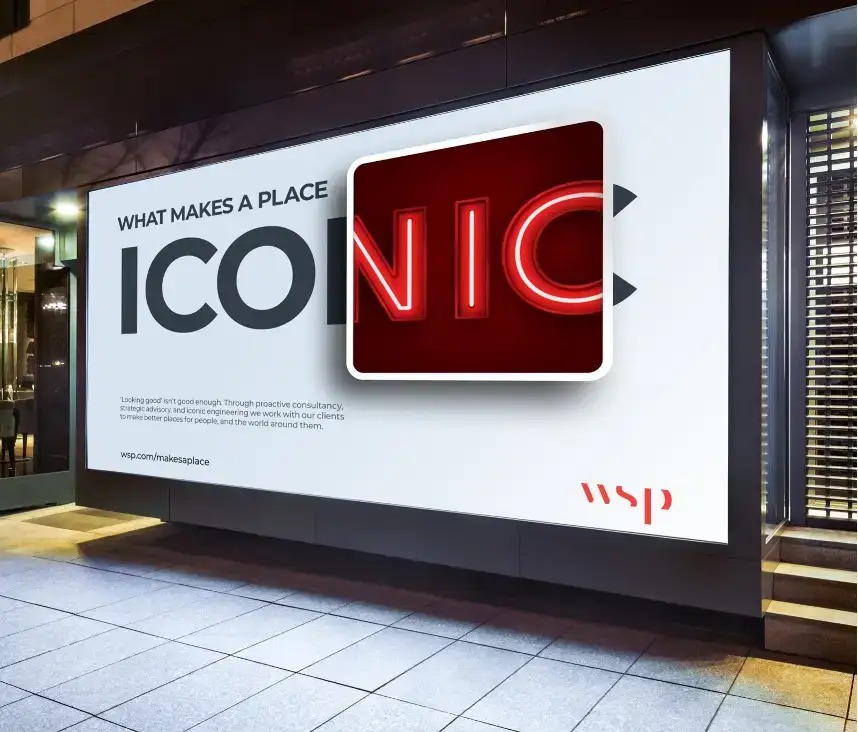
The insight:
How a building performs is starting to matter as much as how it looks.
Sustainability targets and wellbeing standards are now part of the brief, alongside questions about long-term value. Clients are looking more closely at how a place holds up over time, and what it actually delivers once people start using it.
WSP already had the proof in their projects. The issue was how to talk about it in a way that held together across very different audiences and types of work.
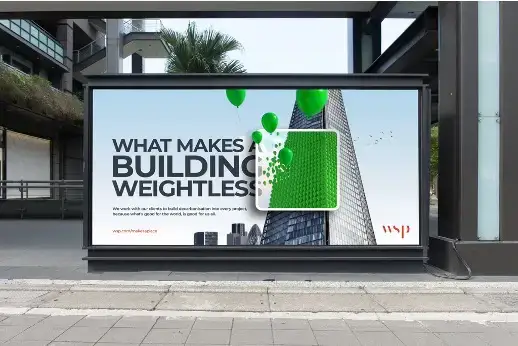
The concept:
'What makes a place.'
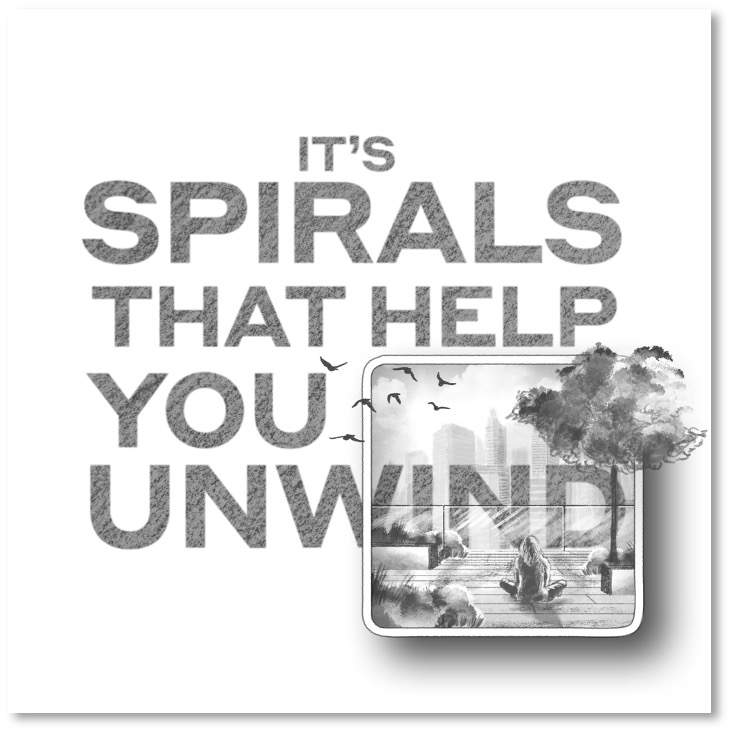
A simple platform that lets WSP talk about their work in terms of what it delivers, not just what it is.
The idea works on two levels:
The technical thinking behind a project
The human experience of being in it
Used consistently, it gave WSP a way to connect very different projects back to the same idea, without losing what made each one distinct.